
June 18, 2026
If you’ve spent any time driving through Merion, you’ve probably noticed that the homes rarely feel one-note. One street may show formal stone facades and balanced rooflines, while the next includes steep gables, tall chimneys, or a lower, more horizontal postwar profile. That mix can be exciting if you’re buying or selling, but it also raises practical questions about layout, upkeep, and renovation potential. This guide will help you understand the architectural home styles you’re most likely to see around Merion and what they can mean for your next move. Let’s dive in.
Merion Station is part of Lower Merion Township, and its housing patterns reflect how the area grew over time. Township planning documents describe Lower Merion as evolving from a 19th-century railroad suburb into a 20th-century automotive suburb, with many development patterns established in the 1800s and early 1900s.
That history still shows up in the streetscape today. Lower Merion historians connect the growth of estates and residential development to the Pennsylvania Railroad’s Main Line, which helps explain why Merion often feels established, landscaped, and historically layered rather than uniformly postwar.
The Merion station area is also tied closely to that railroad story. Local historians describe the surviving Merion station complex as one of the most complete early-20th-century suburban station ensembles in the region, which adds to the sense of continuity and character you feel from block to block.
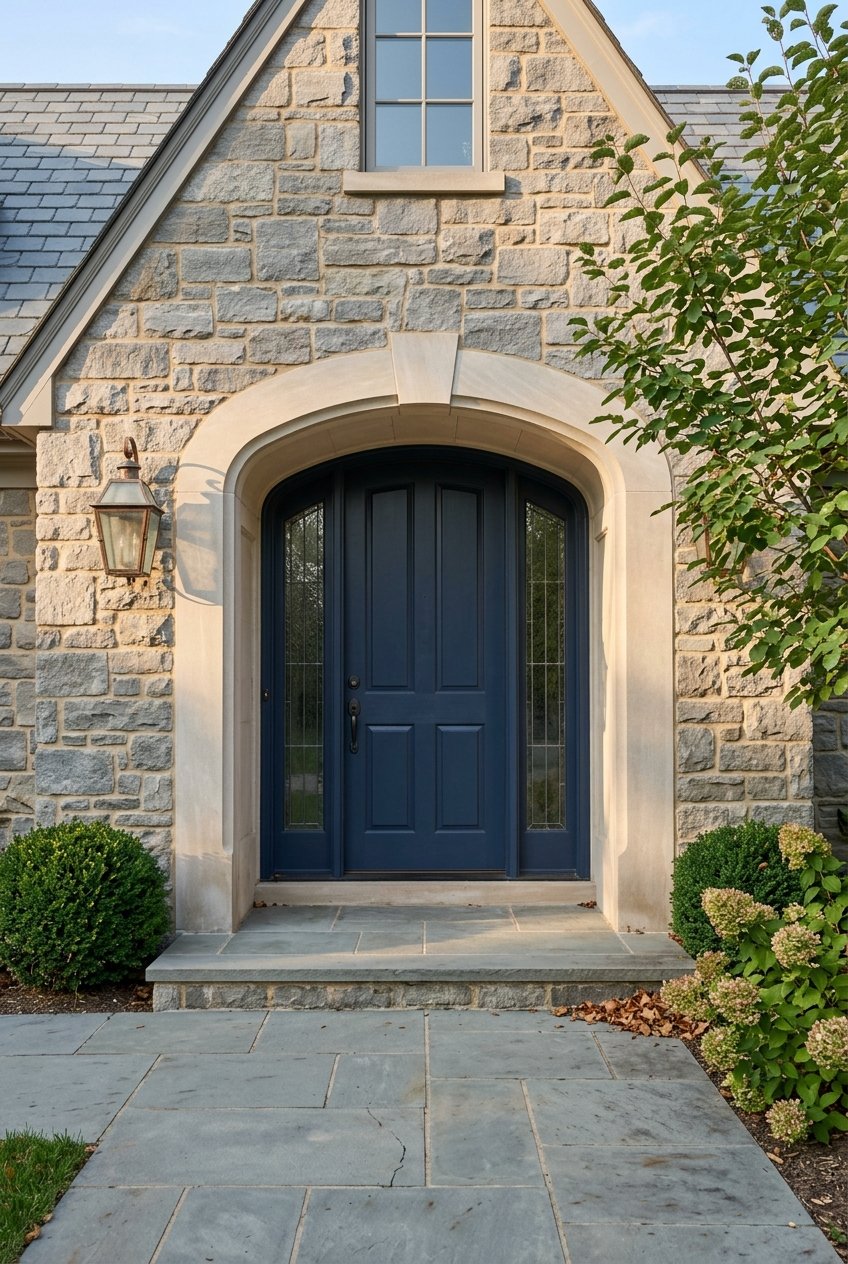
Colonial Revival is one of the styles most closely associated with older Merion neighborhoods. The Pennsylvania Historical & Museum Commission describes the style as drawing from Federal and Georgian precedents, often using symmetry, shutters, dormers, pedimented door surrounds, and side-gabled or hipped roofs.
In Lower Merion, traditional exterior materials often include fieldstone, cut stone, brick, stucco, slate, cedar shingles, and clay tile. The township specifically notes that older neighborhoods including Merion Station contain Colonial Revival examples, and a Historical Commission filing documents a stone Colonial Revival residence in Merion Station dating to about 1913 to 1920.
For many buyers, Colonial Revival homes read as orderly and classic. You’ll often notice a formal front elevation and a balanced look from the street, which tends to create strong curb appeal and a timeless presence.
Inside, these homes often suggest a more regular room organization. Based on the style’s symmetry and the township’s emphasis on preserving visible exterior character, rear additions or kitchen expansions may be easier to imagine than major changes to the front-facing appearance.
If you’re evaluating a Colonial Revival home, pay attention to the front facade and original visible details. Features like dormers, shutters, entry surrounds, and stonework often contribute heavily to the home’s identity.
If you’re selling, those same details can shape buyer perception right away. A well-preserved exterior can reinforce the architectural story of the house and help buyers understand why the property feels distinct in the Merion market.
Lower Merion’s design guidelines say Tudor Revival was one of the township’s most popular residential styles in the first four decades of the 20th century. PHMC identifies the style through steeply pitched roofs, cross gables, decorative half-timbering, prominent chimneys, narrow multi-pane windows, and masonry or stucco walls.
This style is easy to spot once you know the cues. In and around Merion, Tudor Revival contributes a lot of the visual drama that gives older streets their textured, storybook quality.
The township’s guidelines include a formal, symmetrical Merion Station example with a stone first floor. Nearby English Village is also described as a collection of detached and semi-detached Tudor Revival houses, which reinforces how important this style is in the broader Lower Merion context.
Tudor homes often have the most visually complex exteriors of the common Merion styles. Steep rooflines, multiple gables, chimneys, stucco, masonry, and decorative timbering all work together to create a memorable look.
That same complexity can also affect ownership decisions. Based on the style descriptions and the township’s historic-review framework, exterior upkeep may require extra attention around roofs, flashing, chimneys, stucco or masonry, and original window patterns.
If you’re considering updates, Tudor homes usually call for a careful eye. Because the exterior composition is such a major part of the home’s appeal, even modest visible changes can have a bigger visual impact than they might on a simpler house form.
For sellers, that means thoughtful preparation matters. For buyers, it means renovation plans should start with a realistic look at the home’s envelope and how visible exterior work may fit within local review processes.
Merion is often associated with prewar architecture, but that is only part of the story. Lower Merion’s design guidelines describe mid-twentieth-century house types as common throughout the township, with ranch houses especially common from 1945 to 1960 and split-level homes recognized as another local type.
Township records also show a 1959 mid-century modern residence in Merion Station that the Historical Commission considered for the Historic Resource Inventory. Lower Merion’s community profile adds another important data point: the township’s median year a house was constructed is 1950.
That helps explain why Merion’s housing stock includes a meaningful mid-century layer. Even in an area known for stone and Tudor character, you can still find homes shaped by a different design era.
At the broader suburban level, postwar architecture favored less ornamentation, larger expanses of glass, and simpler rooflines. In many ranch-house examples, the plan also leaned more open.
For buyers, that often translates into interiors that feel more flexible and less formal. Based on the style descriptions, renovation priorities may focus more on energy performance, window work, mechanical systems, and preserving a low horizontal profile than on maintaining ornate exterior detailing.
Mid-century and postwar homes can offer a different kind of value in Merion. If you want simpler circulation, fewer formal rooms, or a house that may feel easier to adapt internally, these properties can stand out.
They also broaden the local housing conversation. Merion is not just a collection of prewar houses, and understanding that can help you evaluate homes block by block rather than relying on a single neighborhood stereotype.
Architecture is not just about appearance. In Merion, style often shapes how a home lives day to day and how easy certain projects may be to plan.
Colonial Revival homes often feel the most straightforward in terms of layout. Their balanced facades and classically inspired entries usually align with more regular room organization, and in many cases buyers look toward the rear of the house when considering future expansion.
Tudor Revival homes usually present the most specialized exterior maintenance needs. Their steep roofs, multiple gables, chimneys, stucco, masonry, and decorative details are a big part of what makes them appealing, but those same features can make repairs more visually and technically consequential.
Mid-century homes often offer simpler plans and a less formal arrangement of space. That can create more flexibility inside, with renovation efforts often centered on efficiency, systems, and preserving the original low-slung form.
In Lower Merion, preservation rules can matter more than buyers expect. The township says its Historic Resource Inventory is the official list of designated resources, and exterior work can trigger review depending on the property and the scope of the project.
HARB reviews visible exterior alterations, new construction, demolition, and signage within local historic districts. The Historical Commission reviews exterior alterations, new construction, and demolition for properties on the Historic Resource Inventory outside local districts.
The township also says a 1991 state-funded survey identified more than 80 potential historic districts. That does not mean every Merion home is subject to the same process, but it does mean buyers should verify a property’s status before assuming major visible changes will be simple.
Before you get too far into renovation plans, it helps to confirm a few basics:
This step is especially important in an area where architecture contributes so much to value and identity. A home’s style is part of the appeal, but it can also shape what changes are practical.
The strongest way to think about Merion’s housing stock is as a mix rather than a single look. The area combines a prewar stone-and-Tudor visual identity with a smaller but real postwar layer of ranch, split-level, and mid-century modern homes.
That variety is part of what makes the neighborhood compelling. It also explains why renovation potential, maintenance expectations, and even day-to-day layout can vary so much from one street to the next.
If you’re buying, understanding the style behind the facade can help you look past surface charm and evaluate fit more clearly. If you’re selling, knowing how your home fits into Merion’s architectural story can help you position it with more precision and confidence.
When you want thoughtful guidance on how a Merion home fits the local market, whether you’re preparing to buy, sell, or plan your next move, Jordan Arnold offers the kind of high-touch, neighborhood-specific advice that can make the process feel much clearer.
His meticulous attention to detail and direct approach ensure that each transaction is conducted with efficiency and professionalism, distinguishing him as a standout figure of excellence within the business community.