
April 23, 2026
Wondering whether a stone Colonial, a Tudor, or newer construction gives you the best value in Merion? It is a smart question, especially in a market where homes often fall into a roughly $1.1 million to $1.2 million value band and buyers are weighing character against convenience. If you are buying or selling in Merion Station, understanding how style affects price can help you make better decisions about updates, pricing, and long-term resale. Let’s dive in.
Merion Station sits within Lower Merion Township, a historic Main Line railroad suburb with a housing stock that developed around train stations over time. According to Lower Merion planning documents, the township includes everything from modest worker housing to large estates, and many homes and neighborhoods still reflect their original form because of durable construction and consistent lot patterns.
That history shapes buyer expectations today. In Merion, architecture is part of the appeal, so home style often affects first impressions, emotional pull, and how a property fits into the streetscape. Still, style is only one part of the pricing story.
Lower Merion’s design guidelines identify Colonial Revival and Tudor Revival as recurring styles in older neighborhoods, including Merion Station. The township notes that Tudor Revival was one of the most popular local styles, while Colonial Revival appeared throughout the first half of the 20th century and continued to influence later construction.
For buyers, these styles often signal very different living experiences. A Colonial may suggest symmetry, familiar room placement, and broad appeal. A Tudor may suggest distinctive exterior character and older-world charm. A newer home or major rebuild may suggest open flow, larger kitchens, and updated systems.
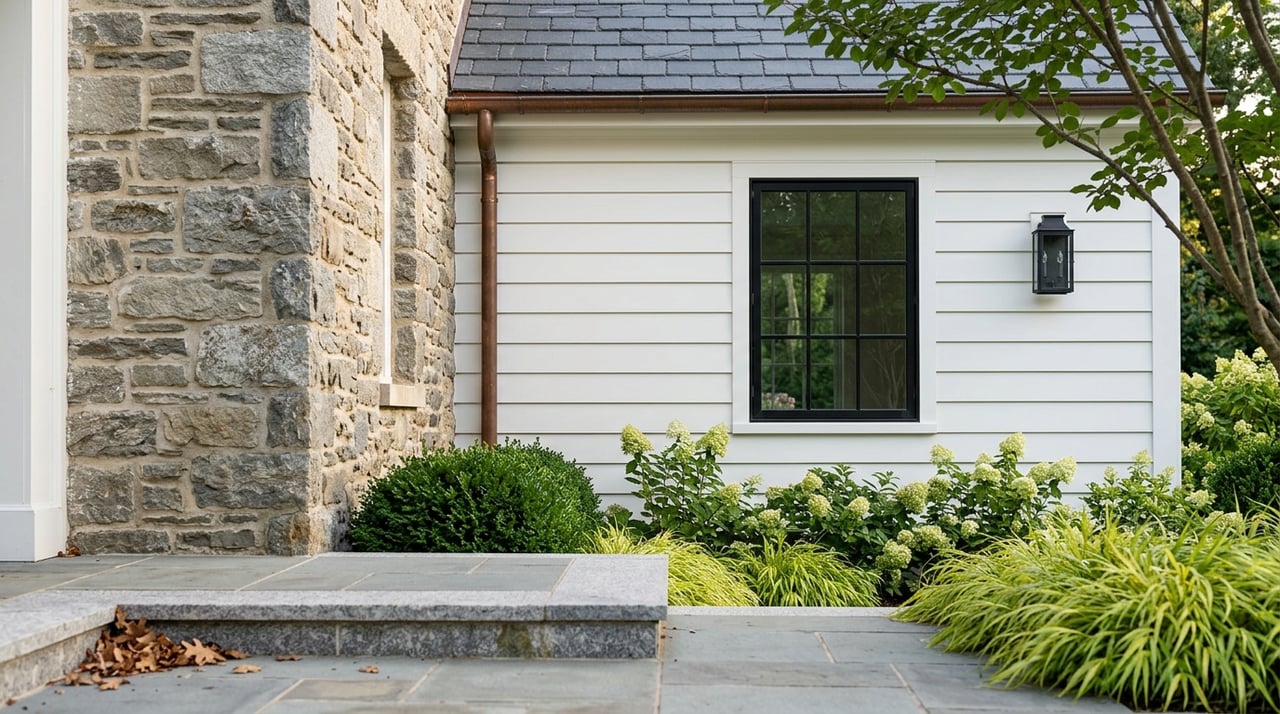
If you want the safest answer to the question, “Which style tends to resell well in Merion?” stone Colonials are usually near the top of the list. They are closely tied to the local look buyers expect, and they often appeal to a wide range of purchasers.
That said, the sales range within this style is a good reminder that style does not create value by itself. Public sales cited in the research report include a 3-bedroom stone and brick Colonial on E Wynnewood Road that sold for $675,000 in August 2025, a 5-bedroom classic stone Colonial on Anthwyn Road that sold for $936,000 in November 2024, and a stone Colonial in Merion Park on Prescott Road that sold for $1,025,000 in May 2025.
The takeaway is simple: buyers may love the Colonial look, but they still price the house based on size, updates, condition, and location within the neighborhood. A well-kept Colonial with a functional layout often attracts broad interest, while one that needs major work may trade at a significant discount.
Tudors have real presence in Merion, and many buyers respond strongly to that style. Lower Merion’s own design guidance points to Tudor Revival as a defining architectural theme in the township, including formal examples in Merion Station.
But just like Colonials, Tudor resale depends on more than curb appeal. The research report points to public sales that ranged from $615,000 for an updated 5-bedroom Tudor on Upland Road to $1.2935 million for a 6-bedroom Tudor on S Highland Avenue and $1.45 million for an all-stone Tudor on Zollinger Way.
That spread tells you a lot. Buyers may pay a premium for Tudor character when the home also offers modern systems, usable room flow, and enough square footage to compete with other options in the market. If the layout feels dated or deferred maintenance is visible, the style alone may not close the pricing gap.
When the goal is the highest absolute sale price, new construction and major rebuilds often lead the pack in Merion. These homes usually appeal to buyers who want turnkey living and who prefer not to take on immediate renovation work.
The research report highlights several examples, including a new-construction stone Colonial and modern farmhouse on Levering Mill Road that sold for $1.575 million in June 2023, a heavily renovated French Contemporary on Brookway Road that sold for $2.29175 million in January 2026, and a custom new-construction home on General Lafayette Road that sold for $2.835 million in December 2025.
There is a clear pattern here. Buyers will often pay more for newer systems, more bathrooms, flexible living areas, and a layout that feels ready for today. That lines up with the National Association of Realtors 2025 Remodeling Impact Report, which found that 46% of buyers are less willing to compromise on condition.
In Merion, style works best as a demand filter, not a pricing formula. It helps attract the right buyer pool, but it does not determine value on its own.
Several factors usually matter more than the exterior label:
That is especially important in a market where buyers are comparing charm with practicality. NAR also reports that 97% of REALTORS® say curb appeal is important in attracting a buyer, and 92% recommend curb appeal improvements before listing.
In Merion, resale potential is not just about what the home looks like today. It is also about what a future owner may or may not be able to change.
According to Lower Merion, the Historic Commission reviews certain exterior alterations, new construction, and demolition for properties on the Historic Resource Inventory. The HARB also reviews exterior changes in local historic districts.
For buyers, that can be an important part of due diligence. For sellers, it can affect how your home is positioned, especially if architectural integrity is one of the home’s strongest selling points. Historic status can support appeal, but it may also influence renovation flexibility.
If you are selling a Merion home, the best strategy is usually to respect the home’s architectural style while prioritizing the updates buyers notice most. In many cases, that means spending less energy on chasing trends and more energy on visible maintenance and presentation.
Strong pre-sale priorities often include:
That approach fits the research in NAR’s remodeling and outdoor-features reports, which point to condition and curb appeal as major drivers of buyer response. For sellers who want to improve presentation before going to market, Compass Concierge can also be a useful option for funding pre-sale improvements and preparing a home thoughtfully.
If you are deciding between an older character home and newer construction in Merion, it helps to think about your time horizon and tolerance for work. There is no one right answer, only the better fit for how you want to live.
A stone Colonial or Tudor may be a strong long-term hold if you value original architecture, neighborhood identity, and classic Main Line character. Newer construction may fit better if you want open living spaces, updated systems, and fewer near-term projects.
In short, ask yourself these questions:
Merion home styles absolutely shape buyer interest, but they do not operate like a shortcut to value. Stone Colonials often offer broad appeal, Tudors can command strong interest when they are updated and functional, and newer homes often reach the highest price points when they feel appropriate to the street and deliver modern convenience.
The best resale results usually come from matching architecture with condition, layout, and smart pricing. If you are weighing whether to buy, renovate, or sell in Merion, working with an agent who understands both the neighborhood’s housing stock and buyer expectations can make a meaningful difference. If you would like tailored guidance on your home’s positioning or next move, connect with Jordan Arnold for a free home valuation or a confidential consultation.
His meticulous attention to detail and direct approach ensure that each transaction is conducted with efficiency and professionalism, distinguishing him as a standout figure of excellence within the business community.