
March 5, 2026
Looking for a small-town vibe with real city access? Narberth gives you a true village center, a quick train into Philadelphia, and a close-knit feel within just half a square mile. If you want sidewalks, independent shops, and parks a short stroll from your front door, this borough on the Main Line belongs on your list. In this guide, you’ll learn what village-style living looks like in Narberth, how you’ll get around, what to expect from the housing stock and prices, and how local services and schools fit into the picture. Let’s dive in.
Narberth’s heart sits around Haverford Avenue and the SEPTA station, with everyday conveniences and locally owned spots grouped in a short stretch. The local directory shows a strong mix of small restaurants, a bookstore, specialty food, and cafés that keep foot traffic steady and the center lively. You can preview the retail and dining mix on the community site at Narberth Online.
For a quick sense of walkability, sample addresses near the station post Walk Scores in the mid‑80s, which means most errands can be done on foot. You can check a representative block near the center using this Walk Score example.
Narberth’s calendar reinforces that village feel. Seasonal favorites like the Dickens Festival, NarBark dog parade, summer concerts, and holiday programming bring neighbors out regularly. The farmers market by the station adds another weekly reason to walk into town. You can browse upcoming events through the listings on Narberth Online.
The borough maintains three public parks within short walks for many residents: Narberth Park, Sabine Park, and Elm Grove Park. You’ll find play areas, sports courts and fields, picnic spaces, and reservable facilities. Narberth Park leans more active with fields and programming. Facility details and reservation info are on the borough parks page.
Narberth has its own stop on SEPTA’s Paoli/Thorndale Regional Rail line, which runs directly to Center City stations without a transfer. Scheduled trip times vary by train and time of day, so it is best to confirm your specific departure with SEPTA’s trip planner. The station is central to the borough’s appeal for commuters and for anyone who wants urban access with a suburban lifestyle.
You sit close to City Avenue with access to I‑76 and I‑476 for regional drives. Exact times vary by traffic and route, but many residents find the combination of rail plus occasional highway driving a practical mix. Buyers relocating from more car-dependent suburbs often appreciate having both options.
Because Narberth is small and its center is compact, the borough runs a resident parking permit program and manages metered zones near downtown. You’ll also find policies for temporary cones on moving days and information on EV charging locations. Before you move or host contractors, check the current rules on the borough parking and permits page.
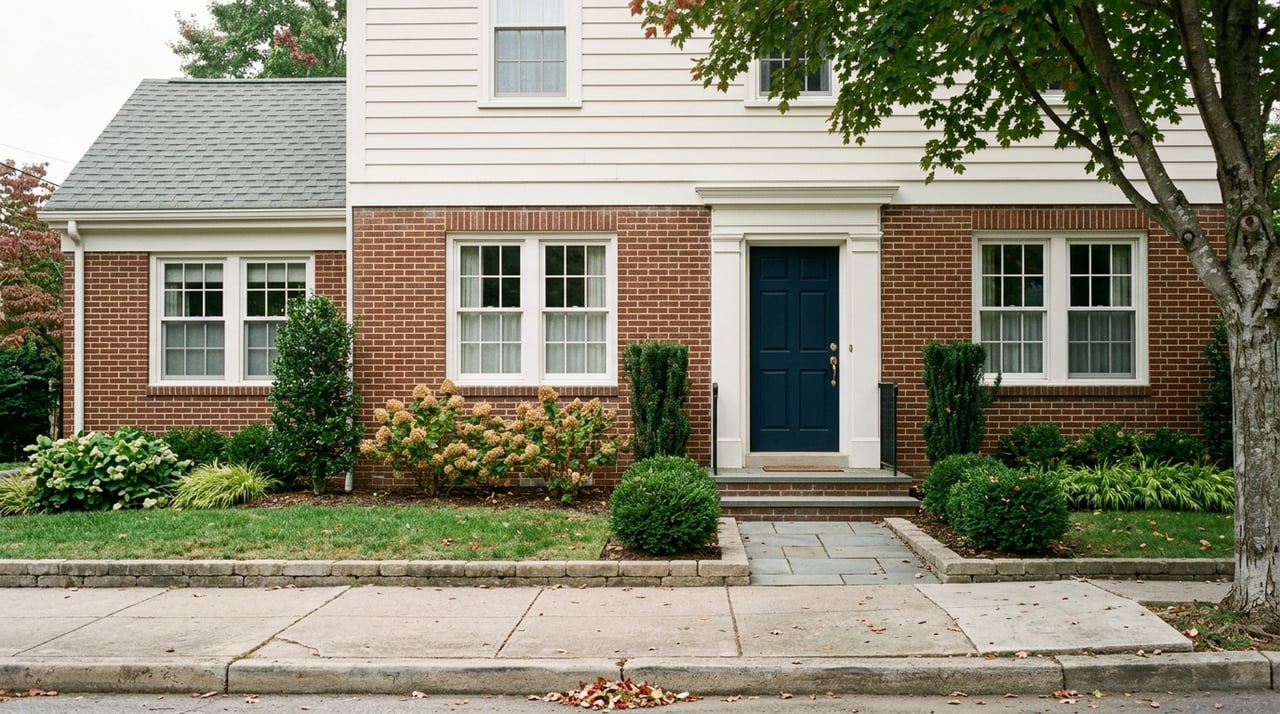
Narberth packs a range of homes into about half a square mile. You’ll see detached single-family houses, twins, small multi-unit buildings, and some newer infill. Much of the housing stock dates to the early 20th century, which brings period character along with the usual older-home considerations like systems updates and ongoing maintenance.
With its small footprint and higher housing density, Narberth tends to have fewer single-family listings at any one time, and competition can be strong for well-located smaller homes and town-style options. The borough includes a meaningful mix of owners and renters, which adds variety to what comes to market in a given season.
If you look up Narberth, you will see different figures depending on the source. Zillow’s ZHVI recently placed a typical home value near 800,000 dollars, while the Census Bureau’s ACS shows a high median value for owner-occupied homes around 749,000 dollars. Month-to-month median sale prices on third-party dashboards can swing because Narberth is small and only a handful of closings may occur in a given month. The takeaway is simple: use these indicators as context, but rely on current MLS data and a local comp review for precise pricing on your specific property and street.
At roughly 0.5 square miles with tight zoning, Narberth sees constrained inventory and close attention on small infill or redevelopment projects. The borough manages planning, zoning, and current projects locally, so it is smart to review updates directly from Narberth Borough if you are evaluating a purchase or a renovation plan.
Narberth is served by the Lower Merion School District. Welsh Valley Middle School is located in the borough, and elementary and high school assignments vary by address. Because boundaries can change, confirm your exact assignment using the district’s resources on the LMSD schools page. The district is regionally prominent and a common draw for families.
Property tax bills in Narberth combine county, borough, and school district components. Millage rates can change year to year, so you will want to calculate an estimated annual bill by multiplying the current millage by your assessed value. Montgomery County’s budget updates publish the county component and note changes under consideration. For the latest context, review the county’s budget news updates and confirm current rates with the county and LMSD before you buy.
Narberth operates its own borough government, police department, volunteer fire company, and active boards and commissions. If you are planning an addition or a renovation, consult the borough’s building and zoning resources early for permit requirements and timelines. Current projects and meeting agendas are posted on Narberth Borough’s site.
Ardmore is a larger commercial hub with more restaurants and a broader mix of services. It also offers a wider range of housing sizes and price points. Narberth is smaller and more tightly clustered, which gives it a concentrated, walk-to-everything center and a closer village feel.
Bryn Mawr’s downtown is larger and has a college presence nearby, which shapes its service mix and foot traffic. Narberth’s scale is more compact, so your daily errands often feel simpler. Buyers who want a smaller footprint with strong walkability often lean Narberth.
Wayne is bigger and reads more suburban in parts, with larger-lot housing in some areas. Wynnewood and Merion are close peers in commute convenience, yet Narberth stands out for the density of its independent shops right by the train. Your choice often comes down to preferred lot size, how much you will use a walkable center, and the specific housing style you want.
You will likely love Narberth if you want to park the car for daily errands, value a tight-knit center with frequent community events, and appreciate older-home character. Families often look here for the combination of village feel, parks, and district context. If you are rightsizing from a larger home, Narberth often delivers a simpler daily rhythm without giving up access to the city.
Sellers benefit from the borough’s steady demand and limited land. Smart, well-timed preparation can widen your buyer pool and improve your net. If discretion matters, controlled exposure options can also be a fit for certain properties.
If Narberth sounds like a match, let’s talk about timing, price, and a plan tailored to you. Reach out to Jordan Arnold to Request a Free Home Valuation or Schedule a Confidential Consultation.
His meticulous attention to detail and direct approach ensure that each transaction is conducted with efficiency and professionalism, distinguishing him as a standout figure of excellence within the business community.