
February 5, 2026
What does a typical day in Villanova feel like? Picture leafy streets, classic stone homes, and the energy of a university woven into a quiet suburban rhythm. If you want a calm home base with easy access to trains, village centers, and city culture, Villanova sits in that sweet spot. In this guide, you’ll learn how housing, campus life, commuting, and nearby amenities shape everyday living so you can decide if it fits your lifestyle. Let’s dive in.
Villanova sits along Lancaster Avenue, also known as U.S. Route 30, between Bryn Mawr and Wayne. It is closely tied to Villanova University and the Main Line’s historic rail corridor. The community is unincorporated, so addresses can fall across township and county lines. Parcel-level details determine municipal services and school assignment.
You’ll find a suburban feel with mature trees, established neighborhoods, and convenient rail access to Philadelphia. Some blocks are walkable to the station or Lancaster Avenue, while others are more residential and quiet.
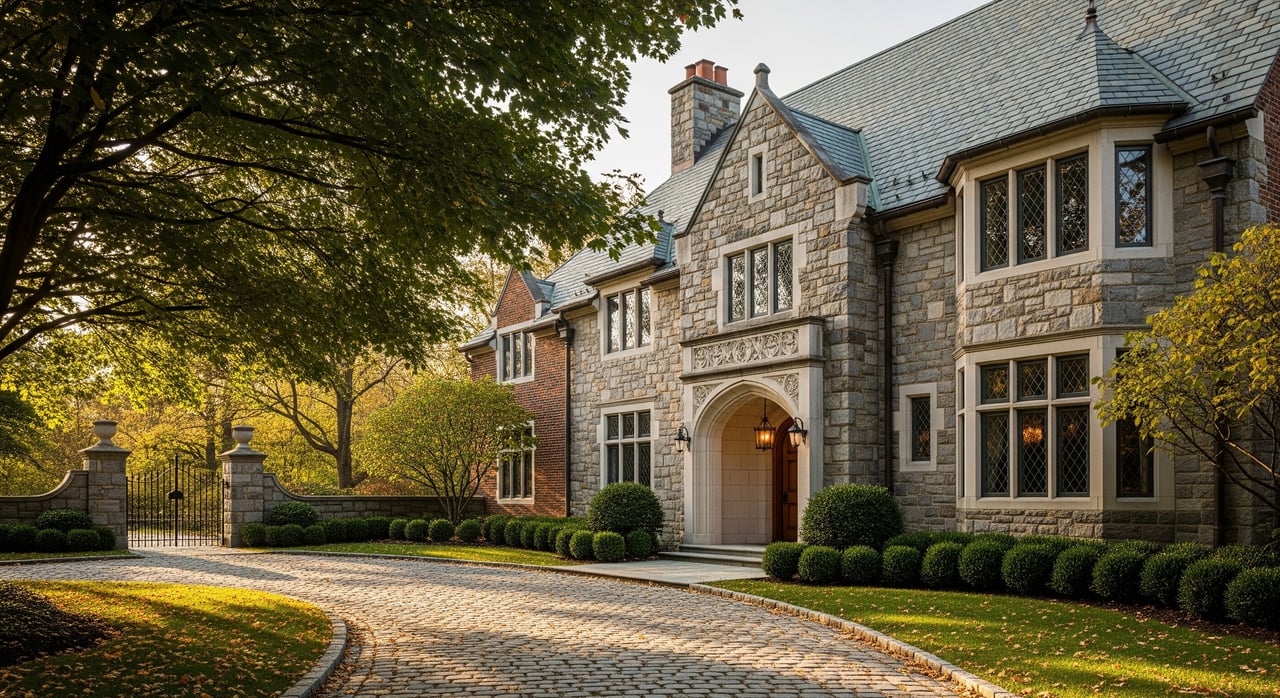
Villanova’s housing reflects the Main Line’s long history. You’ll see older stone and brick homes, early-to-mid-20th-century Colonials and Tudors, mid-century properties, and newer infill. Closer to Lancaster Avenue and the station, homes sit on smaller lots and density increases. Townhouses, condominiums, and rentals appear more frequently near campus and village centers.
Many streets feature classic stonework, leaded-glass windows, and original details. Larger lots with mature landscaping offer privacy. Near the station and Lancaster Avenue, you’ll see tighter lot lines and more attached or multi-family options. Parking and garage setups vary by home era and block.
The university adds steady demand for rentals near campus. You can expect a mix of student-oriented units, graduate-student housing, and places geared to young professionals. This seasonal demand can influence availability and turnover year to year.
Villanova University brings a steady calendar of cultural and athletic events. That creates a collegiate, civic vibe and gives residents extra options for lectures, performances, and sports. Some facilities and events are open to the public, and the campus green functions as an informal neighborhood park for many nearby residents.
On event days and during move-in or commencement, you may see more traffic and parking pressure on adjacent streets. Township rules and residential permits can apply near campus, so it helps to understand your block’s regulations.
Day to day, many residents enjoy walking the campus quads and tree-lined paths. Local township parks and trail networks offer small playgrounds, fields, and walking or biking routes that connect village centers and schools. If you prefer organized activities, you will find seasonal programs like farmers markets, concerts, and youth sports across nearby Main Line towns.
Private and semi-private country clubs and golf courses are also part of the area’s recreational mix. Membership is typically required, and options vary by club.
Villanova is served by SEPTA’s Paoli/Thorndale Regional Rail line at Villanova Station. Trains provide direct service to Center City Philadelphia and other Main Line stops. Exact travel times and frequencies vary by time of day and train type, so check current schedules when planning a commute.
By car, Lancaster Avenue connects you to nearby village centers. Major highways like I-476 and I-76 are a short drive, with typical suburban rush-hour patterns. Ride-share works well for short errands and airport trips. Parking near the station and campus can be regulated, so look into permits if you rely on street parking.
Everyday needs are easy to cover with multiple grocery choices and medical providers on the Main Line. You can enjoy a quiet residential base, then head a few minutes in any direction for more options.
Public school assignments in Villanova are parcel-specific. Many addresses are served by Radnor Township School District or Lower Merion School District. Both are traditionally considered strong, and exact assignments depend on the property. The region also offers numerous private day and religious schools that families consider as part of their search.
Township-level services handle trash, recycling, leaf collection, and permits. Property and school taxes vary by township and county, so confirm details for each address you consider.
Near the station and Lancaster Avenue, you can walk to coffee, the train, and a few services. Many residential streets are quieter and may require a short drive for errands.
Living close to campus or the commercial strip brings more foot traffic and evening activity, especially on event days. Further-in neighborhoods feel more private and calm.
Parking can be competitive near the station and campus. Some streets require residential permits. If you rely on street parking, review the rules before you buy.
The Main Line tends to carry higher home prices and property taxes than many farther-out suburbs. Older homes may need updates to mechanicals or roofs. Confirm the age of major systems and the property’s permit history when you plan renovations.
Villanova’s Main Line location and school-district associations are commonly favorable for long-term resale. That said, local comps and market cycles will shape near-term performance.
If you want a refined suburban setting with quick access to trains, campus culture, and nearby village centers, Villanova delivers a balanced lifestyle. You get tree-lined streets and classic homes, plus the flexibility to tap into larger shopping and dining districts within a short ride. The key is matching your address to your priorities on walkability, parking, and school assignment.
Ready to explore homes that fit your life on the Main Line? Reach out to Jordan Arnold for neighborhood-level guidance, from careful home tours to pre-sale preparation through Compass Concierge and discreet listing options via Private Exclusive.
His meticulous attention to detail and direct approach ensure that each transaction is conducted with efficiency and professionalism, distinguishing him as a standout figure of excellence within the business community.